Materials & Steel
How to clean stainless steel faucets, finish by finish
Mild soap, a microfiber cloth and drying are almost always enough. How to remove hard water spots, care for brushed, PVD and black finishes, and what to avoid.
· 4 min read
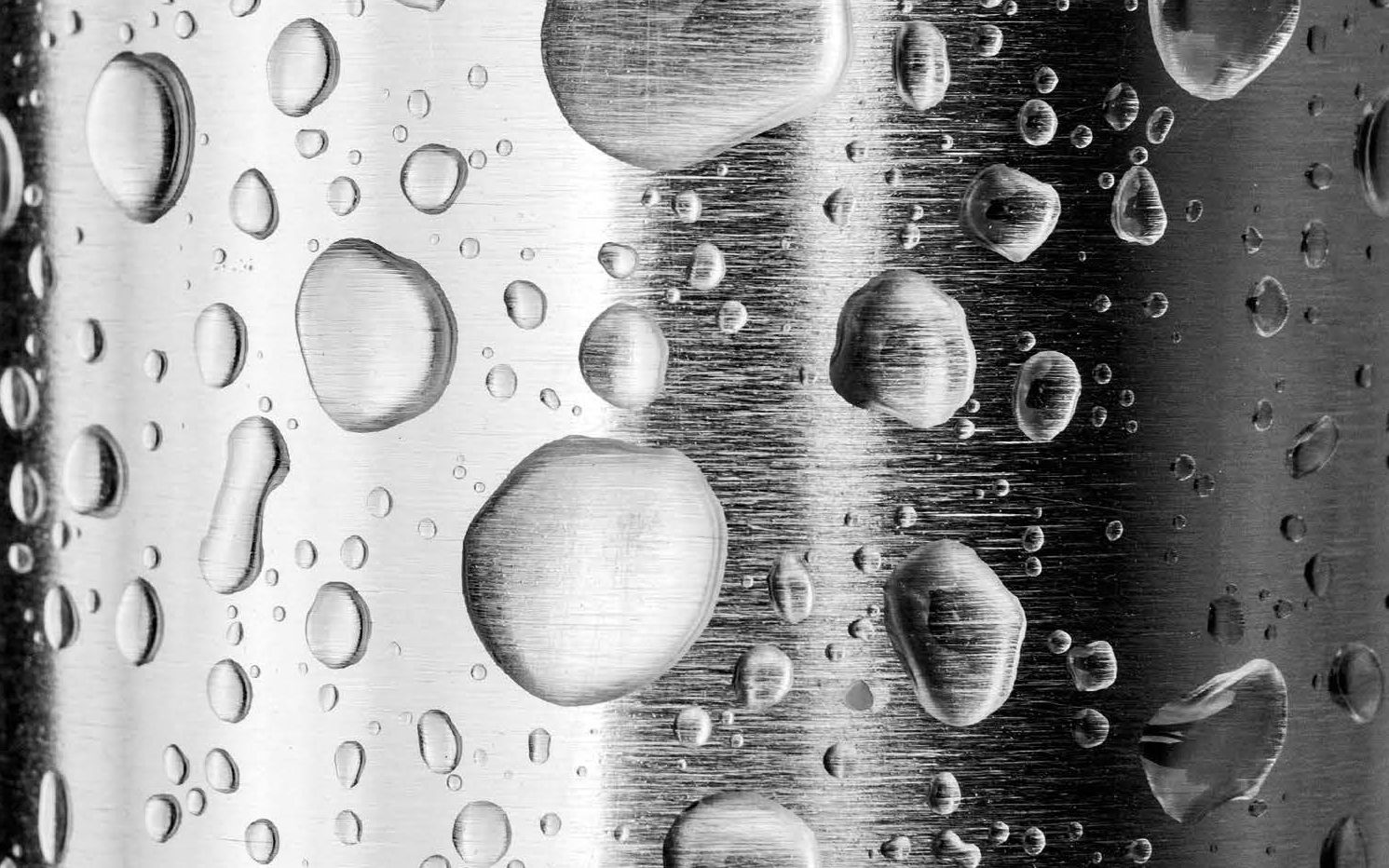
The best way to clean stainless steel faucets is simple: warm water, mild soap and a soft microfiber cloth, then dry thoroughly. This is the care Fontealta recommends for the AISI 316 stainless steel faucets it makes in Viareggio, Italy: a daily habit that keeps the original shine. Little changes from one finish to another, but a few products should never be used.
How do you clean a stainless steel faucet every day?
Everyday cleaning is the same for every finish.
- Wet the faucet with warm water.
- Wipe it with a soft microfiber cloth or a non-abrasive sponge and a little mild soap.
- Rinse with clean water so no soap residue is left behind.
- Dry with a dry cloth: this is the step that matters most, because water that evaporates leaves mineral deposits.
For its kitchen faucets, Fontealta offers a microfiber cloth. Fingerprints come off the same way, with warm water and a gentle detergent.
How do you remove hard water stains from stainless steel?
White spots are hard water stains: the minerals left behind when drops dry on the surface. The first fix is drying after use, which keeps them from forming. If the deposits are already there, on natural steel, polished or brushed, the British Stainless Steel Association recommends a diluted vinegar solution (one part vinegar to three parts water), left to work and then brushed with a nylon brush; rinse well and dry. Never use straight vinegar mixed with salt, which can attack the surface over time.
On PVD finishes and painted finishes, matte black and RAL colors, do not use vinegar: soap and water, used more often, and drying are enough.
How do you clean a brushed stainless steel faucet?
Brushed stainless steel has fine parallel lines, the grain. Always wipe along those lines, never in circles: this is what the Fontealta price list says for the brushed finish, and what stainless steel guides say too. Wiped across the grain, even a soft cloth leaves streaks that show in the light. A brushed finish hides fingerprints and water spots better than polished steel, but it needs the same routine.
How do you clean PVD, matte black and colored finishes?
Fontealta makes eight finishes: Supermirror polished, brushed, painted matte black, painted in a RAL color, and four PVD finishes (brushed brass, brushed copper, brushed black and polished black). PVD and painted finishes are cared for like steel, only more gently: water, mild soap, a microfiber cloth and drying after use. Faucet makers that offer PVD and painted finishes advise against all abrasive products, rust and tarnish removers that contain acids, bleach and ammonia-based cleaners.
| Finish | Everyday cleaning | Hard water spots | Avoid |
|---|---|---|---|
| Supermirror polished (MX) | Water, mild soap, microfiber, drying | Diluted vinegar, then rinse | Abrasives, bleach, hydrochloric acid |
| Brushed (BX) | Same as polished, along the grain | Diluted vinegar, along the grain | Circular motions, steel wool |
| Matte black (MB) and RAL colors, painted | Water, mild soap, microfiber, drying | Only soap and water, more often | Vinegar, abrasives, ammonia, solvents |
| PVD (brass, copper, black) | Water, mild soap, microfiber, drying | Only soap and water, more often | Vinegar, acidic descalers, abrasives, bleach |
Every finish is shown on the Fontealta finishes page.
What should you never use on stainless steel?
- Bleach and chlorine products. Chlorides are the enemy of stainless steel: they open the way to pitting corrosion.
- Hydrochloric acid, harsh descalers and silver cleaners. Stainless steel guides rule them out completely.
- Steel wool and abrasive pads. They scratch the surface and leave iron particles behind that later rust.
- Abrasive powders and scouring creams on polished, PVD and painted finishes.
Why do rust spots appear on stainless steel?
Almost always, it is not the steel that is rusting. Orange spots come from iron particles that have settled on the surface: steel wool, a tool, water from old pipes. Remove them with a non-scratch cleaning cream, then rinse. If they come back, look for the cause. The alloy also makes a difference between steel that holds up and steel that stains: that is the subject of our guide AISI 304 vs 316 stainless steel.
How do you care for an outdoor faucet or shower?
Outdoors, the same rules apply, more often. Near the ocean, salt settles on the surface: rinse with fresh water and dry, especially after windy days. In very salty environments, Fontealta recommends the MX Supermirror polished finish, the smoothest surface in the range. Life by the sea is the subject of our article on stainless steel outdoor showers by the sea, and choosing and installing one is covered in our outdoor shower guide.
Mistakes to avoid
- Letting drops air-dry: that is how hard water spots form.
- Using a bathroom descaler on everything: it can damage PVD and painted finishes.
- Wiping brushed steel in circles.
- Cleaning with the green side of the sponge, which is abrasive.
- Waiting for deposits to build up: light, frequent cleaning takes less effort than a deep clean.
Frequently asked questions
Can you use vinegar on stainless steel faucets?
On natural steel, polished or brushed, yes: diluted with water and for a short time, then rinse and dry. On PVD and painted finishes, no: soap and water are enough.
What is the best way to clean stainless steel faucets?
Warm water, mild soap and a soft microfiber cloth. Then always dry.
How often should you clean stainless steel faucets?
A quick wipe after use, or at least once a day in the bathroom and kitchen, saves almost all the work. Outdoors and near the ocean, clean more often.
Can you use bleach on stainless steel?
No. Bleach contains chlorine, and chlorides are exactly what attacks stainless steel.